
ORMA Dementia Care Research & Development Centre D'Care Research & Development Centre
Caregiver Guide & Education

Understanding Dementia & Memory Care

Knowledge and empathy are the most potent tools for families. Discover how memory loss changes perception, why behaviors are unspoken requests for security, and how structured care restores calm.

Clinical Clarity

Understanding Cognitive Changes

Occasional forgetfulness is normal in ageing, but progressive dementia involves profound changes in cognitive processing and spatial perception.

Typical Age-Related Changes

  • Sometimes forgetting names or appointments, but remembering them later.
  • Occasionally needing help with unfamiliar technology or complicated settings.
  • Temporarily misplacing keys or eyeglasses in customary locations.
  • Feeling tired or preferring a quieter routine, but maintaining social interest.

Progressive Dementia Indicators

  • Forgetting newly learned information and asking the same question repeatedly.
  • Difficulty following familiar cooking recipes or managing household bills.
  • Altered depth perception, making stairs or stepping into showers frightening.
  • Noticeable shifts in mood, evening confusion (sundowning), or wandering.
Clinical & Diagnostic Overview

Diseases Causing Dementia

Dementia is an umbrella clinical term rather than a single specific condition. It describes a spectrum of progressive neurological disorders that affect brain function, cognitive retention, and everyday independence.
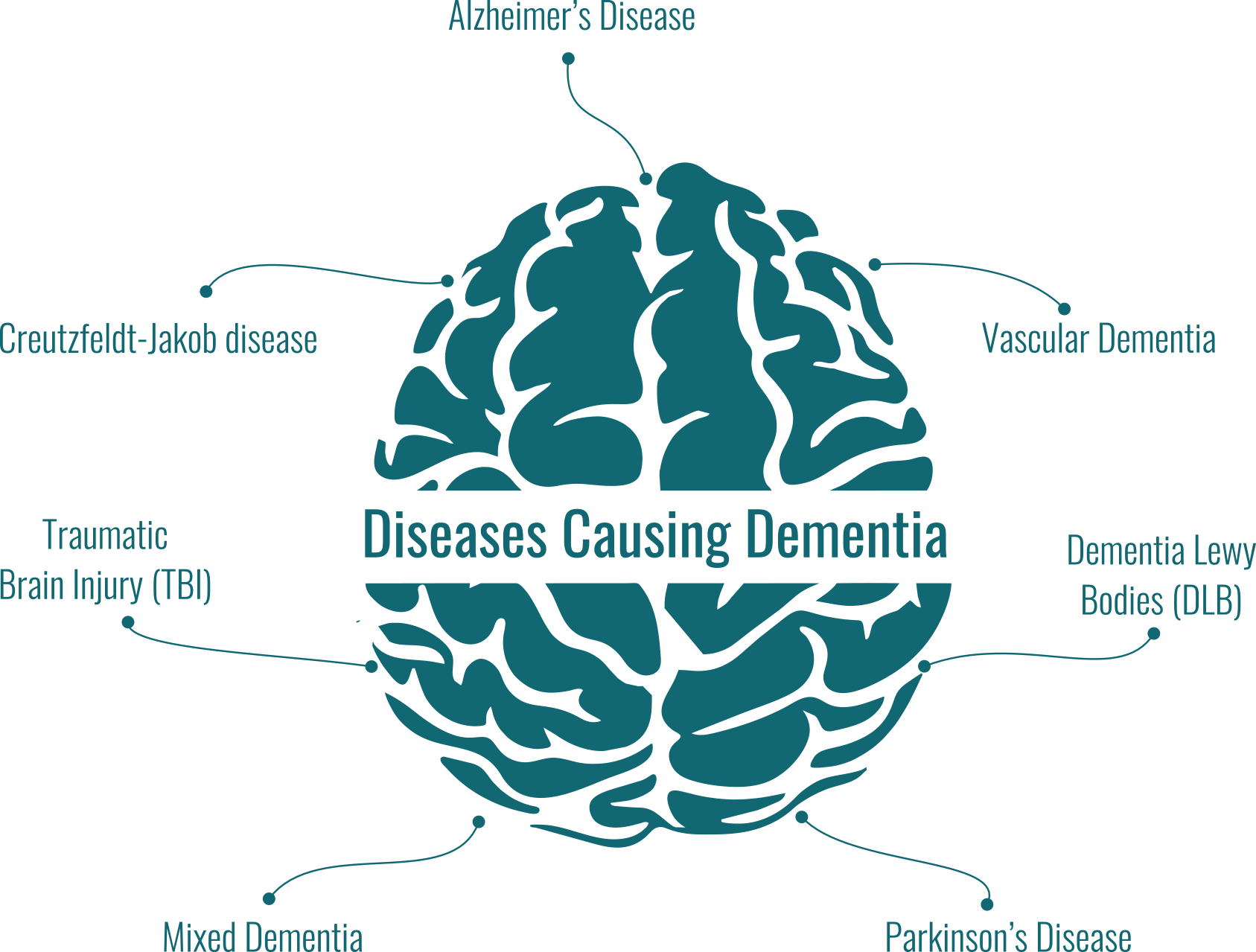
Figure 1.0: Primary conditions encompassed within the progressive dementia clinical spectrum.

Understanding the Underlying Diagnoses

Each condition targets unique neurological regions, requiring distinct care approaches, environmental adaptations, and communication rhythms:

Alzheimer’s Disease
The most common cause (60–70% of cases), progressively impairing hippocampus-based memory retention, spatial orientation, and word recall.
Vascular Dementia
Triggered by reduced cerebral blood supply or micro-infarcts, typically presenting stepwise changes in planning, problem-solving, and executive focus.
Dementia with Lewy Bodies (DLB) & Parkinson’s
Linked to alpha-synuclein protein deposits, causing spontaneous fluctuations in alertness, vivid visual perceptions, sleep disruption, and motor stiffness.
Mixed Dementia, TBI & Rare Prion Conditions
Co-occurrence of two or more dementia types simultaneously (often Alzheimer's plus Vascular), head trauma sequelae, and rare conditions such as Creutzfeldt-Jakob.
Late Afternoon Care

Understanding and Managing “Sundowning”

Sundowning refers to a state of increased confusion, anxiety, restlessness, and agitation that characteristically arises in late afternoon or dusk.

At ORMA, we actively anticipate sundowning rather than reacting with restraint or sedation. We utilize precise non-pharmacological, sensory interventions:

Natural Daylight & Outdoor Walks: Morning and midday natural sunlight synchronizes the body's natural circadian rhythm.
Gentle Daytime Structure: Limiting prolonged midday sleep with engaging art or storytelling to encourage peaceful nights.
Calming Visual Environments: Incorporating research-backed soft blues and greens that lower blood pressure and soothing acoustics.
Caregiver sitting with elderly resident reading Stories of Home in cozy lounge at ORMA
Gentle evening transitions, calming storytelling, and unhurried companionship help alleviate late afternoon anxiety.
Compassionate Caregiving Guide

Dementia Care: Crucial Do's and Don'ts

Navigating conversations and daily routines with a loved one experiencing memory loss requires shifting from logical correction to emotional validation. These evidence-based practices are observed around the clock by ORMA’s trained caregivers.

DO: Validate Their Emotional Reality

Step Gently into Their World

If an elder asks to "go home" or looks for parents who passed away decades ago, validate the feeling underneath: "You miss the safety and warmth of home, don't you? Tell me about your favorite room." Comfort and reassurance restore immediate calm.

Caregiver Tip: Feelings remain long after facts fade. Always address the emotion, never the factual error.
DON'T: Argue, Correct or Force Facts

Never Force Painful Confrontations

Never say: "Don't you remember? She passed away twenty years ago!" This forces your loved one to re-experience the devastating grief of fresh bereavement. Confrontation triggers deep panic, shame, and defensive agitation.

What to Avoid: Avoid phrases like "I just told you that five minutes ago!" Memory loss is neurological, not willful defiance.
DO: Use Short, Calming One-Step Choices

Allow Time for Cognitive Processing

Speak in a warm, unhurried tone at eye level. Present simple, visible choices: "Would you prefer the blue shirt or the cream shirt?" Give 15–20 seconds for their mind to process before repeating.

Caregiver Tip: Use positive phrasing ("Let's sit down here together") instead of prohibitions ("Don't go there").
DON'T: Test Memory with "Don't You Know Me?"

Never Put Them on the Spot

Asking "Who am I?" or "Do you know my name?" creates immense internal anxiety and embarrassment. Instead, introduce yourself with an affectionate smile: "Good morning, father! It's me, Suresh. I brought your favorite tea."

What to Avoid: Never ask complex open-ended quiz questions like "What did you have for lunch?" which highlight cognitive deficits.
DO: Preserve Dignity, Modesty & Adult Identity

Revere Their Personhood & History

Always treat residents as accomplished adults with venerable life journeys. During bathing, grooming, and clothing, keep their bodies warmly draped and explain each gentle step in advance so they feel safe and respected.

Caregiver Tip: Focus on what remains—let them hold the brush, choose their music, and participate in simple, pride-building tasks.
DON'T: Use Baby Talk or Talk Over Them

Never Treat Elders Like Children

Avoid patronizing "elderspeak" (sing-song pitches or diminutive nicknames). Never discuss a resident's diagnosis, challenges, or personal needs with another person in the room as if the resident were invisible or deaf.

What to Avoid: Avoid physical restraint or sudden rough movements during agitation, which drastically increase fear and resistance.

Need Guidance with an Agitated or Withdrawn Loved One?

Our clinical care team is available to offer practical, compassionate advice tailored to your family's unique situation.

Talk to us
Common Questions

Frequently Asked Questions by Families

Clear, transparent answers to help families make informed, reassuring decisions regarding specialized care.

We uphold strong family rights and welcome frequent visits with prior intimation. Relatives remain an active, joyful part of our community. Loved ones can spend peaceful time together in private rooms, join in our serene veranda sit-out areas, or participate in special celebrations.

Yes, absolutely. We honor the fundamental right of every resident to have their own bedroom or bed-sitting room. We strongly encourage bringing familiar bed coverings, personal belongings, cherished books, and family photos to create an immediate sense of belonging and ease the transition.

ORMA is strategically located within a brief 7 km radius of leading multi-specialty hospitals in Thiruvananthapuram. We maintain dedicated ambulance tie-ups ensuring swift transport and immediate hospital admission whenever advanced external medical care is required.

Yes. While we specialize in advanced memory care, our welcoming doors are also open to older adults seeking a supportive, engaging assisted-living lifestyle without a dementia diagnosis. We also admit seniors managing very mild psychiatric conditions who benefit from structured, compassionate supervision.

We serve wholesome, delicious meals thoughtfully crafted in alignment with expert dietary advice. All catering needs are carefully managed by trained staff who provide gentle encouragement and dignified eating reminders—which is why our residents genuinely love our food.

Our internal governance is exceptionally rigorous, featuring monthly compliance audits assessed by head members and overseen directly by the Dhanmithra Integrated Foundation. We actively incorporate feedback through regular one-to-one reviews and questionnaires with residents and families.

Have additional questions specific to your family's circumstances?

Send an Enquiry to Our Team Call +91 94460 80849